

What if the most productive thing you could do for your career this week is to stop "producing" altogether and get your hands dirty? With 86% of Singaporean employees reporting high stress levels in 2023 mental health studies, it’s clear that our digital-first lifestyle is reaching a breaking point. You’re likely tired of the endless scrolling and the pressure to find a hobby that doesn’t feel like another chore on your to-do list. It’s often difficult to find a creative outlet that feels sophisticated rather than intimidating or cluttered with technical jargon.
You deserve an intentional space to disconnect and breathe. This curated guide to pottery classes for beginners will help you swap your laptop for a potter’s wheel, allowing you to embrace a slower pace through the tactile art of ceramics. We’ve vetted the city’s top studios to ensure you find a welcoming environment where you can thrive. You’ll discover how to achieve a therapeutic mental reset while connecting with a community of ambitious, like-minded women. Our blueprint highlights five premier studios where you’ll learn to create a S$75 handmade piece that truly elevates your home aesthetic.
Key Takeaways
-
Discover why working with clay is the ultimate wellness reset, helping you lower cortisol levels and embrace a more intentional, slower pace of life amidst the city’s hustle.
-
Identify whether wheel-throwing or hand-building suits your personality best, ensuring you choose the most rewarding creative path for your very first session.
-
Find your ideal creative sanctuary by exploring our curated list of the most welcoming and aesthetic pottery classes.
-
Prepare for your workshop with a practical checklist covering everything from balancing personal style with comfort to the essential "short nail" rule for wheel success.
-
Explore a hand-picked selection of Singapore’s top-rated studios to find a stylish community hub that perfectly matches your professional schedule and lifestyle.
Embracing the Slow Movement: Why Pottery is the Ultimate Wellness Reset
You step out of your Raffles Place office, your mind still buzzing with the 4:00 PM quarterly review. Does the constant ping of Slack ever truly stop? For many modern Singaporean women, the answer is a resounding no. A 2023 study by Milieu Insight revealed that 52% of the local workforce experiences burnout on a regular basis. This persistent exhaustion has sparked a surge in intentional living across the island. You’re likely looking for more than just a standard gym membership; you’re looking for a way to truly unplug and reset your nervous system.
Clay offers a tactile therapy that your smartphone simply cannot replicate. When your hands are covered in wet earth and mineral slip, you cannot check your notifications. It’s a forced digital detox that feels like a genuine luxury in our hyper-connected city. Working with natural materials grounds you in the physical world, pulling your focus away from spreadsheets and back into your body. While the history of pottery spans over 20,000 years of human utility, its relevance to your mental health has never been more vital. It turns a high-pressure Tuesday into a session of creative meditation. Finding the right pottery classes for beginners in singapore is the first step toward reclaiming your internal peace and artistic voice.
The sensory experience of the studio is a powerful antidote to the digital grind. You’ll feel the cool temperature of the clay, the gritty texture of the chamotte, and the rhythmic hum of the spinning wheel. This isn’t just a hobby; it’s a sensory sanctuary. By engaging your sense of touch so deeply, you’re signaling to your brain that it’s safe to exit "fight or flight" mode. It’s about self-expression that doesn’t require a caption or a like-count to be valid.
The Mental Health Benefits of Working with Clay
The rhythm of the pottery wheel demands your total presence. You cannot force the clay into submission; you must listen to its weight and moisture. A 2022 report in the Journal of the American Art Therapy Association found that just 45 minutes of creative activity significantly reduces cortisol levels in 75% of participants. You’ll find a unique, visceral satisfaction in pulling a functional bowl from a shapeless lump of earth. This process builds a specific kind of resilience. When a piece collapses on the wheel, you don’t fail. You simply learn to embrace the beauty of imperfection and start again, practicing the art of letting go in real-time.
Reclaiming Your Time in a Fast-Paced City
Your calendar is usually a sea of back-to-back meetings and social obligations. By booking pottery classes in singapore, you’re drawing a firm line in the sand for your own well-being. You’re dedicating two or three hours to a screen-free sanctuary where the only deadline is the drying time of your glaze. It’s also about finding a tribe. You’ll meet a community of ambitious women who value curated, slow experiences over mindless scrolling. There’s also the undeniable aesthetic payoff. Instead of buying mass-produced home decor, you’ll elevate your living space with artisanal pieces you created yourself. Spending S$80 to S$150 on a single workshop isn’t just a weekend activity; it’s a strategic investment in your long-term mental vitality.
Wheel-Throwing vs Hand-Building: Which Beginner Path is Yours?
Finding your rhythm in a studio starts with a single choice: the wheel or the table. While both paths lead to beautiful results, they offer distinct experiences for your mind and hands. If you’re scouting for pottery classes for beginners in singapore, you’ll likely face a fork in the road between these two primary disciplines. Choosing the right method is about matching your current energy to the clay’s demands. It’s a way to curate your own path toward creative fulfillment.
Before you book your first session, consider your goals for the afternoon. Are you seeking a disciplined, meditative challenge, or do you want to play with textures and shapes without the pressure of a spinning machine? Research into the therapeutic potential of ceramics suggests that the tactile nature of clay reduces cortisol levels significantly. In fact, a 2023 study of adult hobbyists showed a 25% increase in reported mindfulness after just three sessions of clay work. Whether you choose the wheel or hand-building, you’re investing in a powerful mental reset.
The Dynamic Grace of Wheel-Throwing
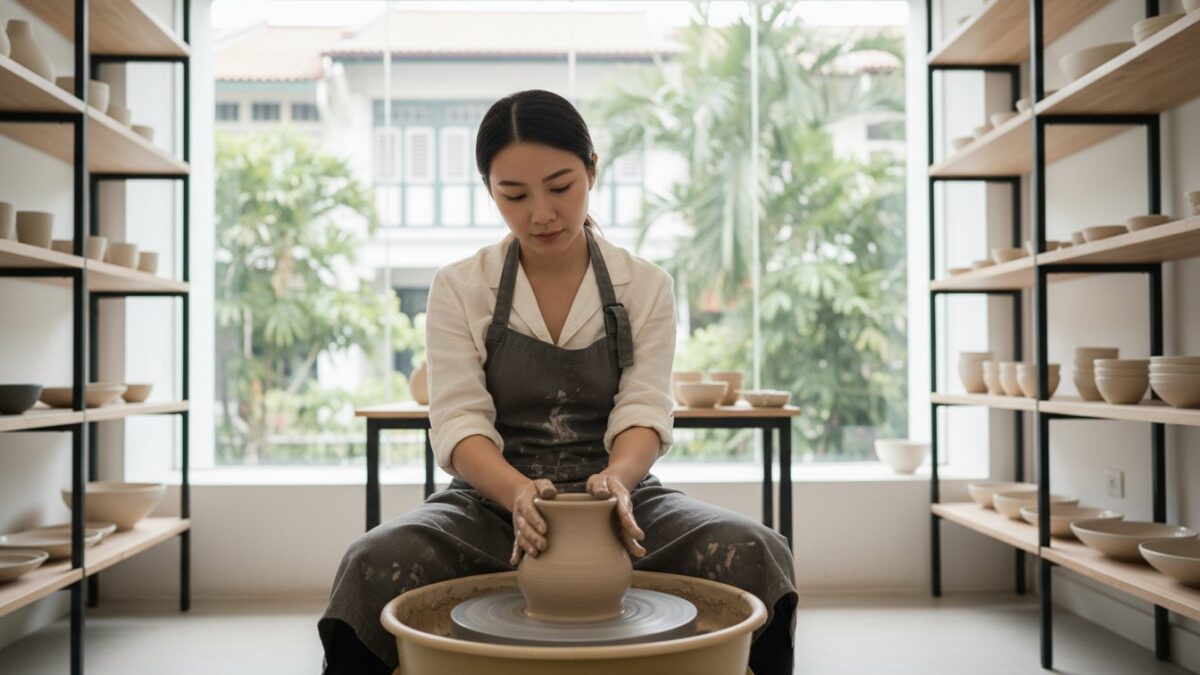
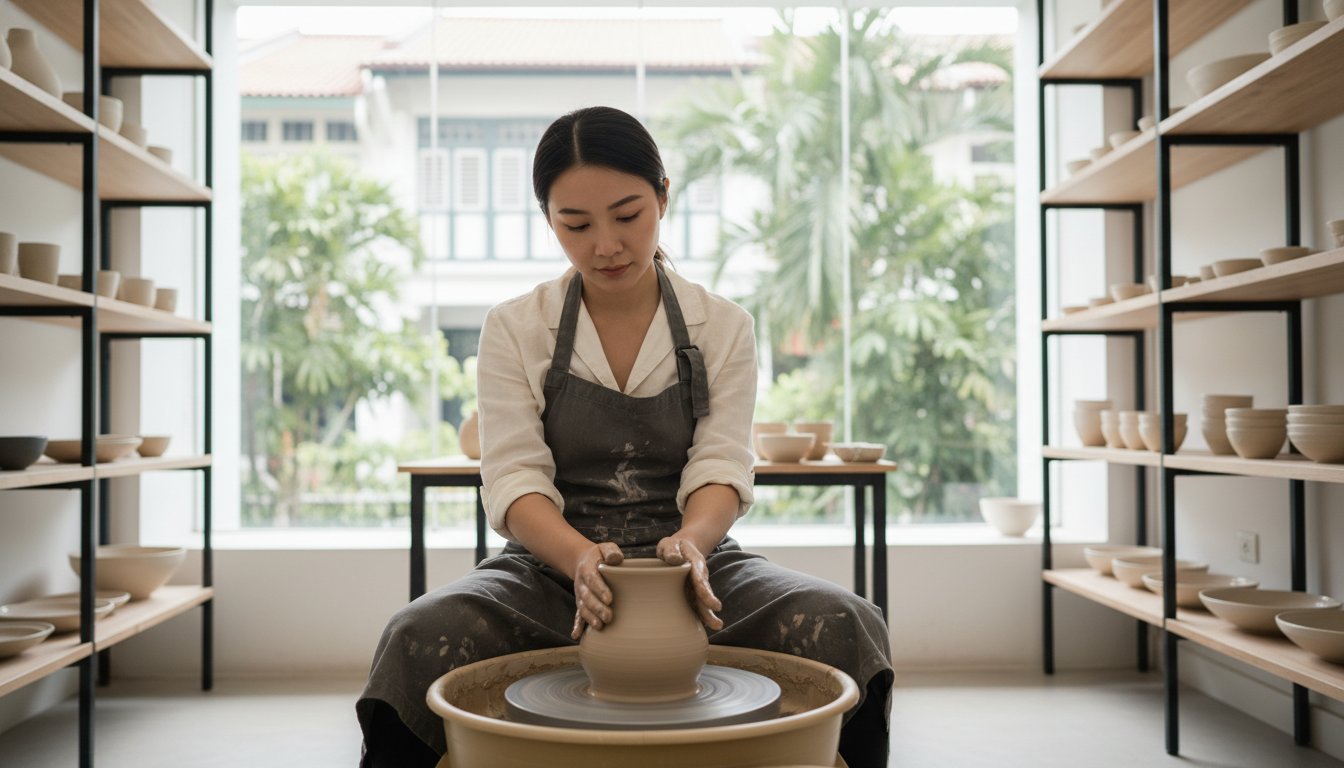
Wheel-throwing is what most people visualize when they think of pottery. It’s a dance between your strength and the centrifugal force of a motorized wheel. You’ll spend your time learning to "center" the clay, a process that requires absolute focus and a steady core. This method is ideal for the modern woman who thrives on precision and enjoys a steep but rewarding learning curve. It’s about finding calm within the motion.
In a typical 120-minute session at a Singapore studio, you’ll focus on creating symmetrical, hollow forms. You’ll likely start with basic cylinders, which eventually evolve into functional mugs or elegant breakfast bowls. Expect to get a little messy. The "slip," or liquid clay, is part of the process, but the satisfaction of seeing a lump of earth transform into a perfect vessel is unmatched. It’s a disciplined art form that rewards patience and intentionality.
The Organic Freedom of Hand-Building
Hand-building is the oldest form of pottery, relying entirely on your fingers and basic tools. It offers an accessible entry point because it doesn’t require the technical coordination of a foot pedal and a spinning wheel. If you prefer sculptural, asymmetrical, or highly textured pieces, this is your path. It’s an invitation to embrace imperfection and create something that feels deeply personal and one-of-a-kind.
This technique uses three main methods: pinching, coiling, and slab construction. You can create anything from organic jewelry dishes to large, textured vases that serve as statement pieces for your home. Since you aren’t limited by the circular motion of the wheel, your forms can be square, oblong, or completely abstract. Over 60% of absolute beginners in Singapore choose hand-building for their first workshop because it allows for immediate creative expression with fewer technical hurdles.
To help you sound like a pro before you even step into the studio, here is the essential terminology every beginner should know:
-
Wedging: The process of kneading the clay to remove air bubbles and ensure a uniform consistency.
-
Leather-hard: The stage where the clay is damp but firm enough to hold its shape and be carved into.
-
Bisque: The first firing in the kiln, which turns the clay into a porous, hard ceramic.
-
Glaze: A liquid mixture of minerals that, when fired, becomes a glass-like coating for color and waterproofing.
Choosing the right pottery classes for beginners in singapore means deciding whether you want to master the machine or your own two hands. Both methods offer a sophisticated way to disconnect from the digital world and reconnect with your creative self.
Curating Your Experience: How to Choose a Pottery Studio in Singapore
You’ve decided to swap your smartphone for a spinning wheel. It’s an intentional choice to slow down, but finding the right space to host this transformation is your first real creative hurdle. Singapore’s pottery scene is diverse. You’ll find everything from sun-drenched heritage kilns in the west to sleek, air-conditioned studios in the heart of the CBD. Your environment dictates your headspace, so don’t settle for the first studio you see on your feed. You need a sanctuary that aligns with your personal aesthetic and your professional schedule.
Location is your primary filter for consistency. If you’re a busy executive in Raffles Place, a studio in Tanjong Pagar or Telok Ayer allows you to transition from high-stakes meetings to the tactile rhythm of clay within ten minutes. Conversely, if you’re seeking a total mental reset, traveling to a more secluded spot like Jalan Bahar can feel like a mini-retreat. When you’re searching for pottery classes for beginners, consider how the commute impacts your willingness to show up on those rainy Tuesday evenings when your bed feels more inviting than a bag of clay.
Studio Vibe and Aesthetic
The vibe of a studio acts as a silent mentor. Some spaces lean into an industrial, raw energy with concrete floors and high ceilings, while others feel like a curated boutique. Look for studios that limit their intake to 6 or 8 students per session. This intimacy ensures you aren’t just a number in a crowded room; it guarantees the instructor can physically guide your hands when you’re struggling to center your piece. Professional-grade equipment is another hallmark of a quality studio. High-end Japanese Shimpo wheels and a sophisticated library of glazes, including matte pastels or deep celadons, allow you to create pieces that actually belong in a modern home.
Investment and Flexibility
Your financial commitment should match your level of curiosity. If you’re just testing the waters, a one-off trial workshop is a low-risk entry point. However, if you’re serious about mastering the craft, a multi-week foundational course offers the structured curriculum you need to truly excel. Most reputable studios in Singapore follow a clear pricing model:
-
Trial Workshops: S$65 to S$95 for a 2.5-hour session. These usually include one or two fired pieces.
-
Foundational Courses: S$400 to S$650 for a 6 to 10-week program. This covers the technical basics from wedging to glazing.
-
Additional Costs: Budget S$10 to S$25 per kilogram for firing and glazing fees if they aren’t bundled into your course price.
Flexibility is the ultimate luxury for the modern woman. Look for studios that offer "open studio" hours outside of formal class times. This allows you to practice at your own pace, turning a hobby into a consistent ritual of self-care. When evaluating pottery classes, ask about their make-up class policy. Life happens. A studio that offers a 24-hour rescheduling window or allows you to catch up in a different slot is one that respects your time and your ambition.
Preparation and Presence: Your First Clay Session Checklist
Stepping into a studio for the first time is an act of creative courage. While you might be focused on the final aesthetic of your ceramic bowl, the preparation begins long before you touch the wheel. Success in pottery classes requires a blend of practical utility and a willingness to embrace the messy process. Think of your first session as a ritual of grounding. You are leaving the digital noise behind to connect with an elemental craft that demands your full attention.
Your wardrobe choices should reflect this shift. While you want to maintain your personal style, functionality is your best friend. Choose breathable fabrics like linen or cotton that allow you to move freely. A dark-colored jumpsuit or high-waisted leggings are ideal choices. Clay is essentially refined mud; it will splash. Most Singaporean studios are well-ventilated but can get humid, so avoid heavy synthetics. If you have long hair, bring a silk scrunchie to keep it securely out of your face. Safety and focus go hand in hand when machinery is spinning at high speeds.
One non-negotiable rule for wheel-throwing involves your hands. Short nails are essential. Long or acrylic nails act like tiny blades against the wet clay, making it nearly impossible to achieve a smooth surface or center your piece effectively. If you have a fresh manicure, consider trimming it back or focusing on hand-building techniques instead. It is a small sacrifice for the control you will gain over your medium. Most professional potters keep their nails extremely short to feel the subtle vibrations of the clay as it thins out between their fingers.
Prepare your mindset for imperfection. Data from local hobbyist surveys suggests that 75 percent of first-time potters experience a "collapsed" piece during their initial session. This is not a failure; it is a data point. The kiln is also a shared resource. Respecting the studio means cleaning your wheel, splash pan, and tools thoroughly within the final 15 minutes of your class. A clean studio ensures that the 1,200 degree Celsius firing process remains safe and efficient for everyone in the community.
The Pottery Essentials Kit
Invest in a high-quality linen apron with a split-leg design. This allows you to sit comfortably at the wheel while protecting your clothes from every angle. Leave your rings, watches, and bracelets at home or secure them in a zipped pocket. Clay particles are abrasive and can easily scratch precious metals or get lodged in stone settings. Bring a dedicated A5 notebook to the studio. Use it to sketch your designs and, more importantly, to record specific glaze combinations and firing results for future reference.
Elevating Your Lifestyle: Top-Rated Beginner Pottery Workshops to Book
Finding the right space to cultivate your new skill is about more than just clay. It’s about finding an environment that resonates with your personal aesthetic and professional drive. Singapore offers a curated selection of studios that cater specifically to the modern woman’s desire for both high-quality instruction and a beautiful, calming atmosphere.
Singapore’s Best-Kept Ceramic Secrets
For the woman who values precision and a sophisticated setting, The Potter’s Guilt at Pearl’s Hill Terrace is a must-visit. Their studio feels like a hidden sanctuary, tucked away in a colonial-era building. You can book a 2.5-hour "Pottery Just-For-Fun" session for S$85. The instructors here are seasoned artists who guide you through the wheel-throwing process with a level of expertise that feels both authoritative and encouraging.
If you prefer a more community-centric and accessible start, Arudio Ceramic is your ideal match. With locations at Lavender and Sembawang, they offer a relaxed vibe that’s perfect for those who feel a bit intimidated by the wheel. Their trial classes are often priced at S$70, making it an affordable way to test the waters. It’s a friendly space where the focus is on the joy of creation rather than technical perfection, ensuring you leave with a smile and a handmade bowl.
For those who want to dive into the academic and historical side of the craft, LASALLE College of the Arts provides structured short courses. These are not just one-off workshops; they are 8-week intensives that typically cost around S$650. This is the choice for the woman who wants to understand the chemistry of glazes and the structural integrity of different clay bodies. It’s an investment in your personal development that pays off in deep, technical mastery.
Your Blueprint for a Creative Weekend
Transforming a workshop into a lifestyle choice requires a little bit of intentional planning. Don’t just show up for your class and head straight home. Instead, treat your pottery session as the centerpiece of a wellness-focused Saturday. Pair your morning at the wheel with a nutritious brunch at a nearby cafe like Common Man Coffee Roasters or a peaceful walk through Fort Canning Park. This creates a holistic experience that nourishes your body as much as your creativity.
Invite a close friend to share the experience. Sharing the tactile process of molding clay creates a unique bond that a standard dinner date simply can’t match. You’ll find yourselves laughing over collapsed pots and celebrating the first time a cylinder actually stays upright. These shared moments of vulnerability and triumph turn a simple activity into a lasting memory and a shared hobby you can return to month after month.
The real magic happens when you transition from a curious visitor to a regular practitioner. Data from a 2022 wellness study suggests that engaging in tactile hobbies like pottery can significantly reduce cortisol levels. As you move beyond beginner pottery classes and start attending intermediate sessions, you’ll notice your focus sharpening and your patience growing. Your home will slowly fill with unique pieces that tell the story of your growth. Start your journey today. Your future self, surrounded by the beautiful, functional art you created with your own two hands, will thank you for it.
Step Into Your Creative Power
The modern woman knows that true luxury is found in presence. By stepping into one of the top-rated studios we’ve identified, such as those offering S$75 trial sessions in Tanjong Pagar, you’re investing in your mental clarity. You’ve learned how to distinguish between the technical precision of wheel-throwing and the organic flow of hand-building. These choices empower you to curate a lifestyle that feels as good as it looks. Finding the right pottery classes means prioritizing your wellness in a city that rarely stops. Most 2-hour beginner workshops offer a tangible way to disconnect from the digital noise and reconnect with your creative intuition.
Frequently Asked Questions
Is pottery hard for absolute beginners in Singapore?
Pottery is very accessible for beginners because most studios design their introductory curriculum specifically for those with zero experience. While the wheel-throwing technique requires intentional focus, 90% of first-time students successfully create a functional cup or bowl during their initial 2-hour session. It’s a meditative process that rewards patience over raw talent. You’ll find the tactile nature of the clay is incredibly grounding after a busy week at the office.
What should I wear to a pottery class?
You should wear comfortable, breathable clothing that you don’t mind getting slightly dusty or splattered with clay. Since you’ll be sitting at a wheel, a long skirt or flexible trousers are much more practical choices than a mini skirt. Most of the 25 plus top-rated studios in Singapore provide aprons, but clay can still find its way onto your sleeves. Skip the expensive silk blouse and choose a chic, washable cotton tee instead.
How much do pottery classes for beginners usually cost in Singapore?
A single trial session for pottery classes typically ranges from S$55 to S$95 per person. If you’re looking for a comprehensive 10-week foundation course to truly elevate your skills, expect to invest between S$450 and S$800. These prices usually include the cost of firing and glazing for at least 2 pieces. Always check if there are additional firing fees, which can sometimes add S$10 per item to your total.
Do I need to bring my own tools to the studio?
No, you don’t need to bring any specialized equipment for your first workshop. Local studios provide all the wire cutters, sponges, and ribs required to shape your project. Just bring your curiosity and perhaps a hair tie to keep your hair out of your face while you work. It’s a fully curated experience designed for your ease, allowing you to focus entirely on the creative journey without any logistical stress.
Can I take my pottery home immediately after the class?
You cannot take your pieces home the same day because they require a 3-week drying and firing process. Your creation must air-dry completely before undergoing its first bisque fire at 1,000 degrees Celsius. After glazing, it goes back into the kiln for a second round to ensure it’s food-safe. Most Singaporean studios will notify you via WhatsApp or email to collect your finished, polished work 21 to 30 days later.
How long does a typical beginner pottery workshop last?
Most introductory workshops in Singapore last between 2 and 3 hours. This timeframe allows for a 20-minute professional demonstration, 90 minutes of hands-on creation, and 10 minutes for cleaning your station. It’s the perfect duration to disconnect from your phone and immerse yourself in a creative flow without feeling rushed. You’ll leave the studio feeling both productive and refreshed, having mastered the basics of a new, intentional craft.
Is pottery a good activity for a girls day out in Singapore?
It’s an exceptional choice for a curated afternoon with your inner circle. Many studios offer private group bookings for 4 to 12 people, making it a sophisticated alternative to the standard weekend brunch. You’ll bond over the shared challenge of centering clay while creating tangible memories you can actually use. It’s a beautiful, empowering way to celebrate a birthday or a recent career milestone together in a stylish setting.
Can I do pottery if I have long nails?
You can certainly participate, but keep in mind that long nails can leave accidental gouges in the soft clay. Most instructors recommend trimming your nails for a smoother experience during pottery classes. If you’re committed to your manicure, you can use the pads of your fingers instead of the tips to shape the walls. Just be prepared for a bit of extra cleanup under the nails once the session ends.
Eligible SMEs can now receive up to 50% grant support for our Digital Marketing Solutions. Click to find out more!

 1
1 8 Best Proposal Planners In Singapore For A Dream-Come-True Yes
September 1, 2026 2
2 6 Best SG Bakeries For Gals Who Prefer Halal Mooncakes (2026)
September 1, 2026 3
3 8 Best Lip Blush Studios In Singapore For Effortless Rosy Lips
August 27, 2026 4
4 7 Best Options Gals Recommend For Good Catering In SG (2026)
August 20, 2026 5
5