

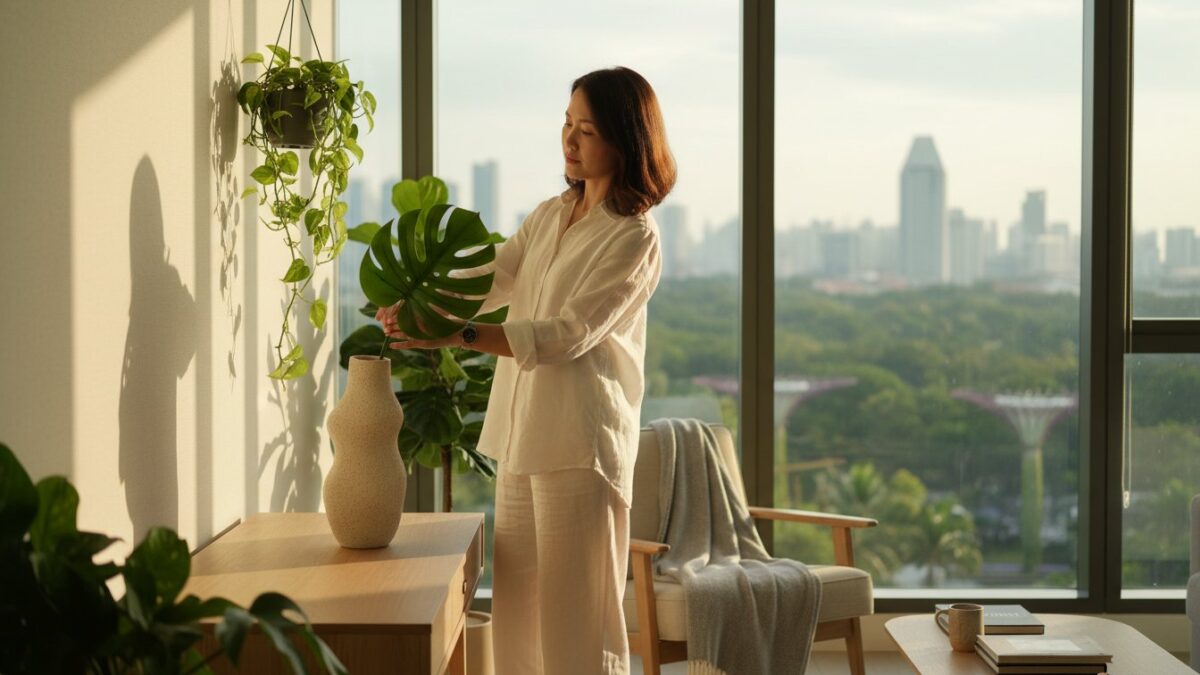

What if creating a beautiful, sustainable home had absolutely nothing to do with sacrificing style? What if it was the ultimate expression of it?
It’s a common thought, isn’t it? You want to make conscious choices for your space, but the search for sophisticated sustainable home decor in Singapore often leads to a sea of rattan that feels more ‘beach shack’ than ‘chic city sanctuary’. You worry if these natural materials can even withstand our relentless humidity, and frankly, you’re not ready to commit to a fully bohemian aesthetic. We hear you.
This is your guide to curating a home that is both deeply personal and profoundly planet-friendly. We’re here to empower you with intentional, eco-conscious choices that celebrate your sophisticated taste and the unique Singaporean spirit. Get ready to discover the most durable eco-luxe materials for our climate, a curated list of local brands championing ethical style, and practical tips to build a truly beautiful home you’ll be proud of.
Key Takeaways
-
Understand how to embrace the "buy less, buy better" philosophy, turning your compact apartment into an intentional, conscious sanctuary.
-
Discover innovative, tropical-friendly materials like Tencel and rice husk biocomposites that are as stylish as they are sustainable.
-
Learn how to seamlessly integrate sustainable home decor in Singapore into a chic, contemporary interior, proving eco-friendly is anything but rustic.
-
Get a room-by-room blueprint for mindful living and see how supporting local artisans can elevate your space and its unique story.
Creating a Conscious Sanctuary: Why Sustainable Home Decor Matters in Singapore
Your home is more than just four walls. In a city that moves at the speed of ambition, your personal space is the one place you can truly exhale. But what if that space could do more than just house you? What if it could actively fuel your focus, calm your mind, and reflect the powerful woman you are becoming?
This is the promise of a conscious sanctuary. We’re not talking about fleeting trends or rooms packed with disposable decor. Sustainable home decor is a philosophy rooted in three core ideas: ethical production, low-impact materials, and timeless design that you’ll love for years, not just a season. It’s a thoughtful approach that blends aesthetics with ethics, grounded in the core principles of sustainable design to create spaces that are good for you and the planet.
In Singapore, where our living spaces are often compact, this philosophy of “buy less, buy better” isn’t just a nice idea; it’s a practical necessity. An intentional home environment directly impacts your mental wellness. A cluttered, impersonal space can breed a cluttered, unfocused mind. In contrast, a curated sanctuary, filled with pieces you genuinely love, becomes your personal headquarters for clarity and creativity. It’s the silent partner that helps you recharge after a demanding day and strategise your next big career move.
The Shift Toward Mindful Interiors
The modern woman is tired of fast furniture. She’s moving beyond the temporary thrill of a trendy purchase and seeking something deeper. Why? Because surrounding yourself with stories, not just objects, holds a unique power. That hand-thrown ceramic mug or the reclaimed teakwood table carries an energy that mass-produced items simply can’t replicate. This intentionality in how you curate your home beautifully mirrors the ambition you pour into your career; both are about building something meaningful and lasting.
Singapore’s Growing Green Movement
This shift isn’t happening in a vacuum. Across the island, a vibrant green movement is taking root, from the rise of zero-waste grocery stores in the heartlands to community-led urban farms. Local artisans are at the forefront, shaping a new Singaporean aesthetic with their handcrafted goods. Choosing to invest in local, ethical brands of sustainable home decor in Singapore is more than a transaction; it’s an act of community empowerment, pouring resources back into the creative fabric of our city.
Beyond Aesthetics: Understanding Eco-Friendly Materials for the Tropical Climate
Creating a sanctuary at home goes far beyond choosing the right colour palette. It’s about curating a space that feels good on every level-and that starts with the very materials you live with. In Singapore’s persistent humidity, your choices are not just about style; they are about longevity, health, and conscious living. Are you ready to elevate your space with materials that are as intelligent as they are beautiful?
Let’s look past the surface and explore the innovations shaping sustainable home decor in Singapore. Forget the outdated notion that eco-friendly means compromising on luxury. The future is crafted from materials that are kinder to the planet and perfectly suited to our tropical reality.
-
Bamboo and Rattan: These aren’t just for beach resorts. They are the ultimate sustainable champions for tropical living. Their natural composition allows them to breathe, making them exceptionally resistant to the swelling and warping that can plague solid woods in high humidity. A sleek bamboo bookshelf or a statement rattan armchair brings an airy, sophisticated lightness to any room.
-
Biocomposites: Imagine turning agricultural leftovers into high-end design pieces. Biocomposites are innovative materials crafted from agricultural waste, such as rice husks and coconut fibres, blended with a binder. Think durable, lightweight planters from rice husks or stunning terrazzo-style surfaces made from crushed eggshells. They are the epitome of waste-to-wonder.
-
Tencel™ and REFIBRA™ Technology: Your bedding deserves a serious upgrade. Tencel™, derived from sustainably sourced wood pulp in a closed-loop system, is a dream for our climate. It’s more absorbent than cotton, incredibly soft, and naturally cooling. The pioneering REFIBRA™ technology takes this a step further by upcycling cotton scraps from garment production into the pulp, creating a truly circular textile.
Durability in High Humidity
Which materials truly thrive in our climate? Bamboo, rattan, and biocomposites are your best defense against mould and warping. To keep natural fibres like jute rugs or linen curtains looking pristine, ensure good air circulation and treat them to occasional sunning. A simple tip? Rotate your jute rug every six months to ensure even wear and exposure to air, preventing moisture from getting trapped underneath.
The Material Story: From Waste to Wonder
The journey of recycled materials into high-end decor is where true innovation shines. When you invest in these pieces, you’re not just buying an object; you’re supporting a circular economy. To spot quality craftsmanship in recycled glass, look for an even thickness and the absence of cloudiness. For recycled metal pieces, inspect the joints for smooth, clean welds, which indicate superior artistry and durability.
Decoding labels is your power tool for making genuinely sustainable choices. These certifications aren’t just jargon; they are your assurance of integrity. When you see them, you know a brand has gone the extra mile.
-
FSC (Forest Stewardship Council): This label guarantees that the wood used in your furniture comes from a responsibly managed forest, protecting biodiversity and local communities.
-
OEKO-TEX®: A must-have for textiles, this certifies that every component of the item has been tested for over 350 harmful substances and is safe for your health.
-
GOTS (Global Organic Textile Standard): The highest standard for organic fibres, GOTS ensures ethical and sustainable practices from the farm to the final product.
These individual choices contribute to a larger, collective impact, aligning with national efforts like the Singapore Green Building Masterplan, which champions the use of greener materials across the board. By choosing certified products, you’re not just decorating; you’re building a better environment.
The Style Myth: Balancing High-End Aesthetics with Ethical Sourcing
Let’s be honest. When you hear "eco-friendly decor," what comes to mind? Is it a sea of beige, rough-hewn wood, and an aesthetic that feels more "farmhouse retreat" than "chic city living"? It’s time to dismantle that myth for good. The modern woman knows that true luxury isn’t about fleeting trends; it’s about intention, quality, and curating a space that tells a powerful story. Your story. Embracing sustainable home decor in Singapore isn’t a sacrifice of style. It’s an elevation of it.
You don’t have to choose between a beautiful home and a healthy planet. In fact, the most sophisticated interiors are now weaving these two concepts together seamlessly.
Luxe Meets Earth-Friendly
Imagine a sleek, minimalist dining room. The centrepiece is a table crafted from locally salvaged teak, its rich history visible in the unique grain. Paired not with rustic benches, but with elegant chairs accented with recycled brass. This is the new luxury. It’s about the powerful contrast of polished metals against the raw beauty of natural stone, or the warmth that organic, GOTS-certified linen curtains bring to the clean lines of a modern Singaporean condo. Your home can become a sanctuary of texture and meaning, where a single "hero" piece, like a hand-blown glass pendant from a local artisan, does more than just light a room; it anchors it with purpose.
The Problem with Fast Decor
That trendy S$80 side table might seem like a bargain, but what’s its true cost? Fast decor, much like fast fashion, operates on a model of disposability. It floods the market with poorly made items that are destined for the landfill within a few years, carrying a heavy environmental price tag and often produced under questionable labour conditions. This cycle is a drain on your finances and, just as importantly, your personal energy. Constantly replacing broken or dated items creates clutter and decision fatigue. You deserve better. You deserve pieces that last.
As you curate your space, it’s crucial to identify "greenwashing"-vague marketing claims designed to mislead. A brand labelling a product "eco-friendly" without any transparent sourcing information is a red flag. Truly sustainable brands are proud of their process and often align with credible, third-party certifications. They understand the importance of standards, much like Singapore’s own BCA Green Mark Scheme sets a high bar for environmental performance in buildings. Look for that same level of commitment in the objects you bring into your home.
Adopting an "investment piece" mindset is one of the most powerful shifts you can make. A S$200 flat-pack bookcase might need replacing every three years, costing you S$600+ over a decade. A S$700 solid wood, ethically crafted piece? It becomes a part of your life’s story, an heirloom you can pass down. This approach isn’t about spending more; it’s about investing wisely in timeless quality that transcends seasonal trends. It’s the ultimate blueprint for creating a home that is not only beautiful but also deeply, authentically you.
Curating Your Space: A Room-by-Room Blueprint for Mindful Living
Ready to transform your home into an intentional, eco-conscious retreat? It’s not about a complete overhaul overnight. Instead, think of it as a mindful curation, a room-by-room journey to align your living space with your values. This is your blueprint for creating a home that not only looks beautiful but feels deeply restorative.
Let’s start where your day begins and ends: your sanctuary.
-
The Bedroom: Elevate your sleep hygiene by swapping polyester sheets for GOTS-certified organic cotton or breathable linen. These natural fibres are grown without harmful pesticides and are kinder to your skin. For ambience, ditch synthetic air fresheners, which a 2011 study found can release over 100 different chemicals. Instead, opt for a calming essential oil diffuser with lavender or chamomile to create a true sleep haven.
-
The Living Room: Your living space should adapt with you. Instead of fast furniture, explore modular sofas that can be reconfigured as your needs change. Hunt for unique, pre-loved treasures at places like Hock Siong & Co or Junkie’s Corner. An upcycled teak console or a vintage armchair doesn’t just reduce waste; it tells a story.
-
The Kitchen: This is the heart of your home, so let’s make it plastic-free. Transition from plastic containers to elegant glass jars or stainless steel tins for your pantry staples. When it comes to tableware, consider beautiful and durable biocomposite options made from bamboo fibre or wheat straw, which are compostable at the end of their life.
-
The Bathroom: Create a zero-waste ritual. A simple switch from liquid soap in plastic bottles to a locally made bar soap on a reclaimed wood dish instantly reduces waste. Bamboo toothbrushes and reusable cotton rounds are small changes that make a significant daily impact.
Small Space Strategies for HDBs and Condos
Living in a space under 100 square metres doesn’t mean you have to compromise on style or sustainability. It’s about being smarter with your choices. Maximise natural light in your HDB or condo with light-coloured linen curtains or bamboo blinds. To combat clutter, invest in multi-functional furniture like a storage ottoman crafted from sustainable rattan or an extendable dining table made from reclaimed wood. Finally, embrace biophilic design by bringing nature in. A vertical herb garden or a few air-purifying snake plants can make even the smallest apartment feel like a lush, calming oasis.
The Scent of Sustainability
How does your home feel? Scent plays a powerful role in our well-being. It’s time to move away from aerosol sprays and plug-in fresheners filled with synthetic compounds. Embrace the gentle, authentic aroma of plantable soy wax candles or an ultrasonic diffuser with pure essential oils. This shift is a core part of a holistic wellness routine, where your home’s scent actively contributes to your mood and health. For truly ethical options, look for local Singaporean artisans who hand-pour their candles using sustainable waxes and toxin-free fragrances. This is how you master the art of sustainable home decor; by engaging all your senses intentionally.
Curating a home that reflects both your aesthetic and your ethics is the ultimate act of self-care. It’s a space that empowers you to live more mindfully every single day.
Elevating the Local Ecosystem: Supporting Singaporean Artisans
You’ve decluttered, you’ve upcycled, and you’ve embraced natural materials. The final, most soulful step in curating your sanctuary is to look inwards, right here at home. The "Shop Local" movement isn’t just a hashtag; it’s a powerful pillar of Singapore’s Green Plan 2030 and a direct way for you to weave your personal values into the very fabric of your space. It’s about consciously choosing pieces that haven’t travelled 10,000 kilometres to reach you.
Think about it. That ceramic vase from a European mega-brand comes with a heavy carbon price tag, contributing to the 2.5% of global greenhouse gas emissions generated by maritime shipping alone. But a hand-thrown pot from a Joo Chiat studio? Its journey is measured in metres, not nautical miles. This is the new frontier of sustainable home decor: creating a beautiful home that not only looks good but does good, supporting the creative pulse of our city and shrinking your environmental footprint with every intentional choice.
Beyond the eco-credentials, you’re acquiring something far more valuable: a story. You’re bringing home a piece of someone’s passion, a fragment of Singaporean heritage, and an object infused with a narrative that no factory production line can ever replicate. You’re not just decorating; you’re collecting and curating a life that reflects both style and substance.
Spotlight on Local Craftsmanship
Why does a handmade object feel so different? It’s the soul. It’s the subtle, perfect imperfections that signal a human touch, connecting you directly to the maker. This relationship is a quiet rebellion against anonymous, mass-market consumption. Instead of just being a consumer, you become a patron of the arts, supporting the very small businesses that employ over 70% of Singapore’s workforce and keep our island’s creative spirit thriving.
Ready to discover them? Keep an eye on artisan markets like Public Garden and events by The Local People. Or, explore conscious collectives like The Green Collective SG, which curate stunning pieces from local makers all under one roof.
Your Blueprint for an Elevated Home
Feeling inspired? Your journey begins not with a complete overhaul, but with one single, intentional purchase. It could be a set of coasters carved from reclaimed local wood, a hand-poured candle scented with frangipani, or an art print from a Tiong Bahru artist. This one small act is a powerful catalyst for change. Remember, curating a sustainable home is a journey of progress, not a race to perfection. Every conscious decision you make elevates your space and empowers our local ecosystem.
Your path to a more intentional, beautiful life is just beginning. Explore our other lifestyle guides to continue building a world that truly inspires and supports you.
Your Blueprint for an Intentional Home
Creating a sanctuary that is both stylish and sustainable is no longer a compromise; it’s a celebration of conscious living. You’ve seen how choosing the right eco-friendly materials for our tropical climate and championing the incredible artisans in our community are foundational steps. This journey is about curating a space that doesn’t just look good, but feels right. Embracing sustainable home decor is a powerful, personal statement about the values you hold and the impact you want to make, starting from the heart of your home.
Are you ready to continue elevating every corner of your life? Join the community of thousands of modern Singaporean women who rely on our platform for curated recommendations from local experts. We’re here to empower your journey through authentic storytelling and actionable guides that make intentional living feel effortless and inspiring.
Frequently Asked Questions
Is sustainable home decor more expensive in Singapore?
Not always; it’s about shifting your perspective from initial cost to long-term value. While a handcrafted S$300 rattan chair from a local artisan might seem pricier than a S$80 fast-furniture piece, its durability means you won’t need to replace it for years. You can also embrace sustainable living affordably by thrifting unique finds or upcycling existing items, proving that an eco-conscious home doesn’t have to break the bank.
How do I know if a home decor brand is actually sustainable or just greenwashing?
Look for transparency and third-party certifications as proof of their claims. A genuinely sustainable brand will openly share details about its materials and production process. Check for credible labels like the Forest Stewardship Council (FSC) for wood or Global Organic Textile Standard (GOTS) for fabrics. If a brand only uses vague terms like "eco-friendly" without providing evidence, it’s a red flag. True sustainability is backed by facts, not just feelings.
Can sustainable materials like bamboo survive the Singapore humidity?
Yes, treated bamboo thrives in Singapore’s climate when cared for correctly. Quality bamboo furniture is typically finished with a protective sealant to guard against our 80-85% average humidity and prevent mould growth. To ensure its longevity, place it in a well-ventilated area away from direct rain and wipe it down with a dry cloth periodically. With minimal maintenance, your bamboo pieces will remain a beautiful, long-lasting part of your home.
What are the best sustainable materials for bedding in the tropics?
Linen and TENCEL™ Lyocell are your best choices for a cool and eco-friendly night’s sleep in Singapore. Linen is exceptionally breathable and moisture-wicking, becoming softer and more luxurious with every wash. TENCEL™, made from sustainably sourced wood pulp, has a silky-smooth feel and excellent temperature-regulating properties. Both are far superior to conventional cotton, offering a touch of sustainable luxury perfect for our humid climate.
Where can I find chic sustainable home decor in Singapore?
You can discover beautiful pieces from a growing number of local and online retailers dedicated to conscious living. For reclaimed wood and vintage statement items, explore stores like Journey East. For rattan and natural fibre accessories, brands like Island Living offer curated collections. Finding stylish sustainable home decor in Singapore is easier than ever, allowing you to create a space that is both aesthetically pleasing and aligned with your values.
How can I make my HDB more eco-friendly on a budget?
You can make a significant impact by focusing on small, conscious swaps. Start by switching all your lights to LED bulbs, which use up to 75% less energy and last much longer. Scour platforms like Carousell for pre-loved gems, or visit social enterprises like Hock Siong & Co. for unique secondhand furniture. Even adding a few air-purifying indoor plants can make your space greener without a hefty price tag.
What is the most sustainable way to dispose of old furniture in Singapore?
The most sustainable option is always to re-home it, extending its life cycle. You can list items in good condition for free or for sale on platforms like SG Freecycle and Carousell. For furniture that is still functional, charities such as The Salvation Army often provide collection services for donations. This ensures your pre-loved piece finds a new purpose instead of contributing to landfill waste.
Does sustainable decor fit into a modern or minimalist interior style?
Absolutely; sustainability and modern minimalism are natural partners. Both design philosophies champion intentionality, quality over quantity, and a deep appreciation for natural materials. Clean lines, uncluttered spaces, and a focus on craftsmanship are central to both. Pieces made from light-toned, FSC-certified wood, recycled metals, and organic textiles integrate seamlessly into a minimalist aesthetic, creating a space that feels both serene and consciously curated.
Eligible SMEs can now receive up to 50% grant support for our Digital Marketing Solutions. Click to find out more!

 1
1 8 Best Proposal Planners In Singapore For A Dream-Come-True Yes
September 1, 2026 2
2 6 Best SG Bakeries For Gals Who Prefer Halal Mooncakes (2026)
September 1, 2026 3
3 8 Best Lip Blush Studios In Singapore For Effortless Rosy Lips
August 27, 2026 4
4 7 Best Options Gals Recommend For Good Catering In SG (2026)
August 20, 2026 5
5